7 Simple Nature Mindfulness Activities for Kids to Try Outside
Take your practice outside with these simple nature mindfulness activities for kids and students, including mindful walks, cloud watching, gratitude journaling, and outdoor sensory activities.
Step outside with a group of kids and watch what happens…
The chatter softens. Shoulders drop. A kid who couldn’t sit still for five minutes indoors will crouch beside a beetle on the sidewalk and watch it for ten. Nature has a way of doing what no worksheet or breathing poster can. It pulls us gently, almost effortlessly, into the present moment.
That’s the heart of mindfulness, isn’t it? Noticing what’s here, right now.
And nature… it gives us so much to notice.
I spent seven years as an educational assistant supporting students with a diverse set of learning needs. Mindfulness was a big part of my daily practice with students, and whenever I could take those practices outside, I did. Every single time, the energy in the group changed.
Whether you have a forest trail nearby or just a patch of schoolyard grass, here are some of my favorite nature-inspired mindfulness activities to try with your students.
7 Nature-Inspired Mindfulness Activities for Kids
1. Mindful Nature Walk
Before you head outside, invite students to put on their “noticing” hats. On a mindful nature walk, the goal is simply to pay attention. Encourage kids to use all five senses as they walk: What do they see? What do they hear? What does the air smell like?
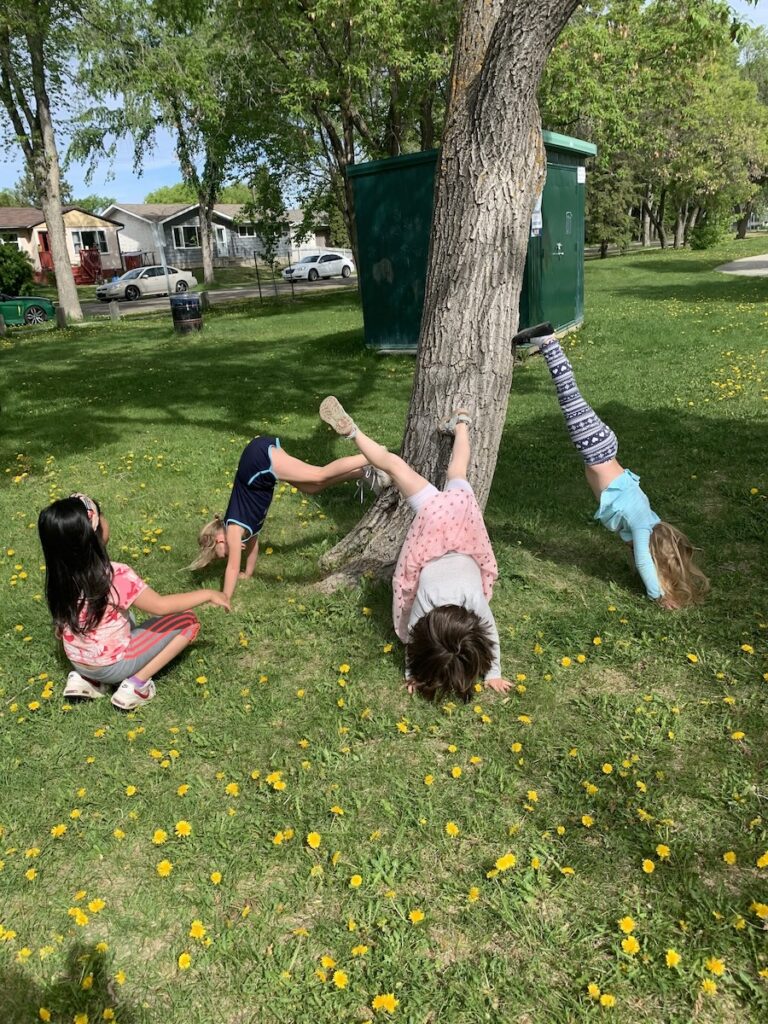
To keep younger students engaged, try adding an ‘I Spy’ element. Challenge them to find something red, something round, or something that wasn’t there last season. You can also add a short mindful listening pause where everyone freezes and simply listens for 30 seconds.
2. Nature Art
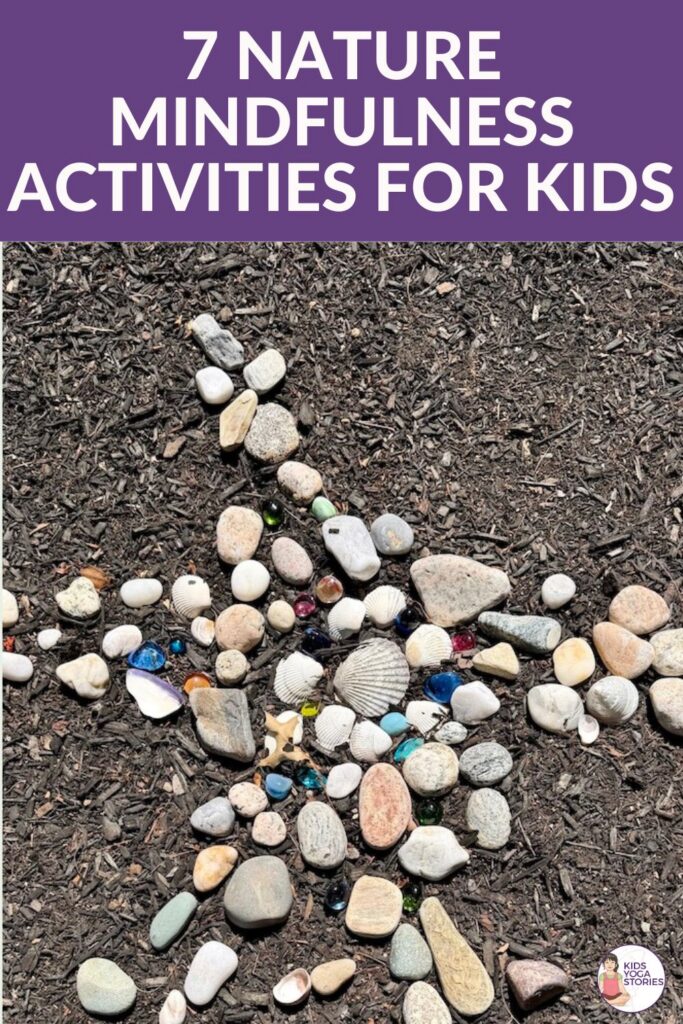
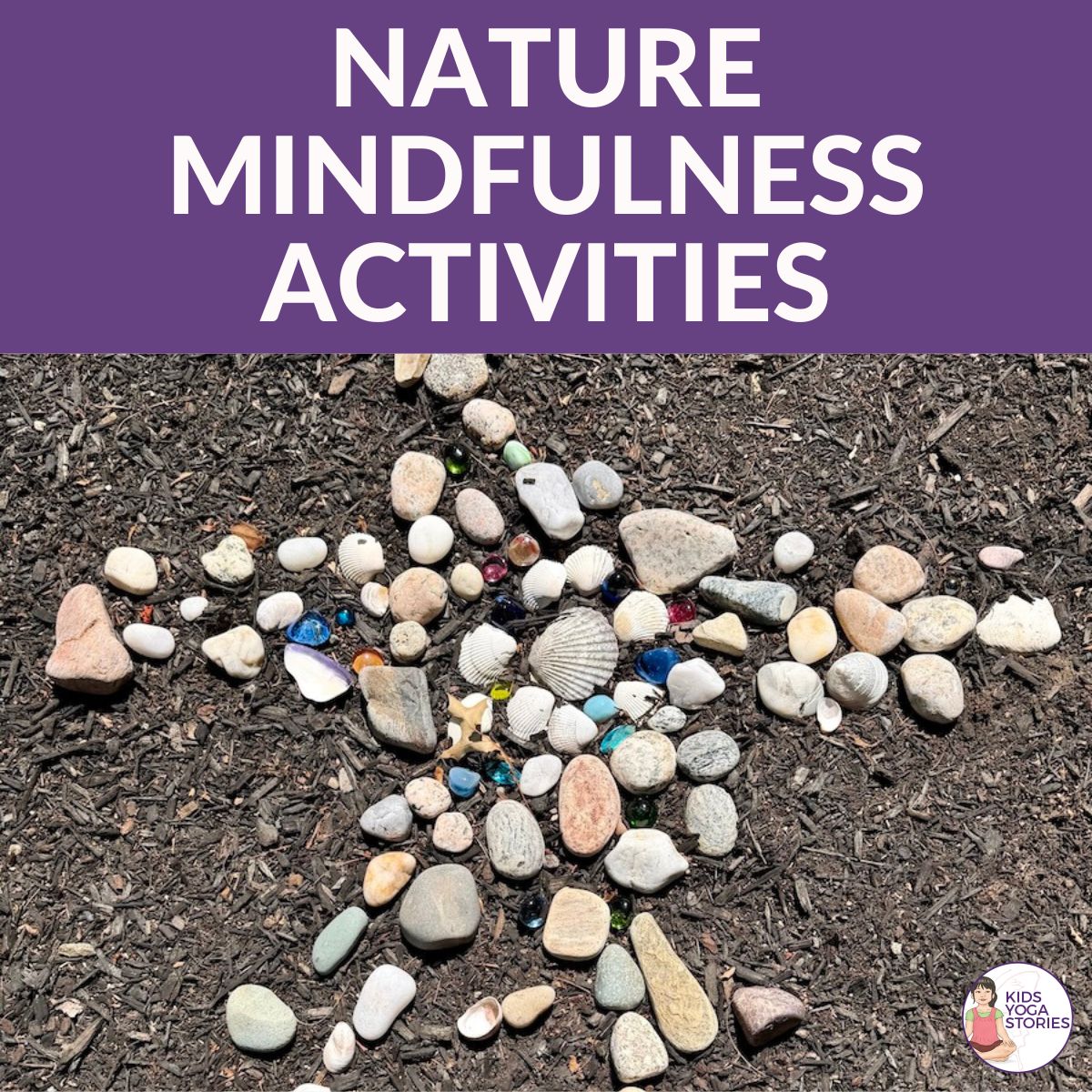
Head outside without supplies, just curious hands and open eyes. Students can collect leaves, sticks, stones, and petals to create temporary nature mandalas, collages, or sculptures right on the ground.
For a take-home option, try leaf or bark rubbings. Place a piece of paper on top of a leaf or a patch of tree bark, then color over it with a crayon to reveal the outline and texture of what’s underneath.
The process of creating with natural materials is calming and encourages creativity and focus.
3. Nature Scavenger Hunt
Give students a list to explore. Have them find something smooth, something rough, three different shades of green, and something that makes a sound. A nature scavenger hunt turns a walk into a mindful observation practice where kids slow down, look closely, and engage with the world around them.
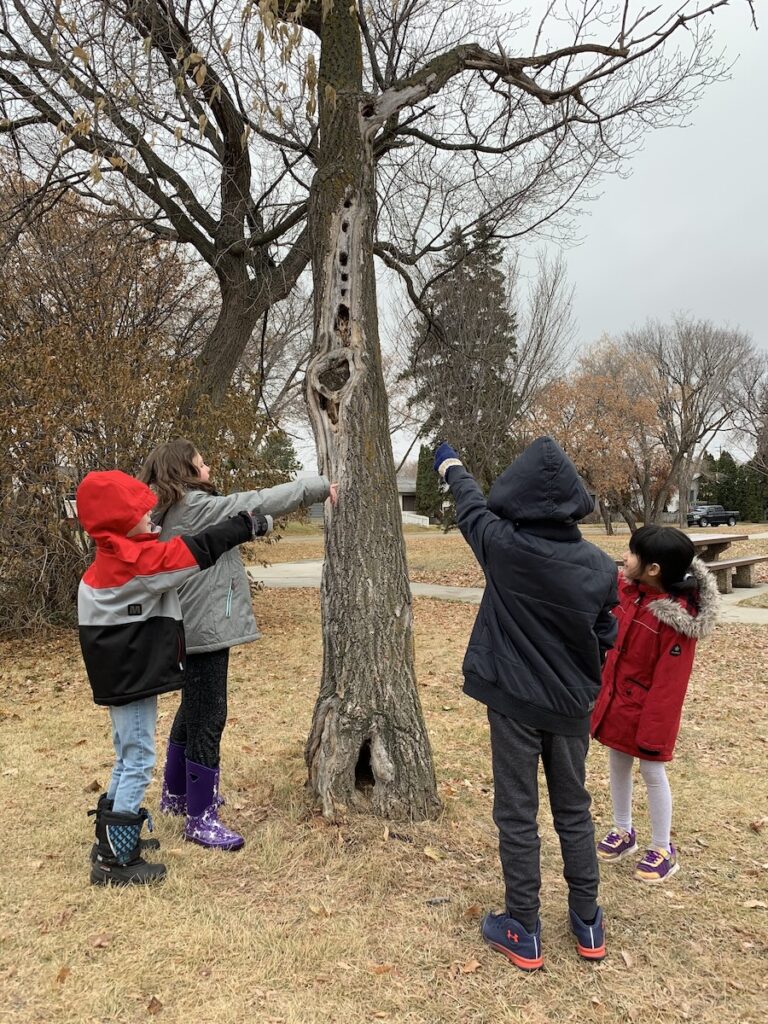
You can tailor this scavenger hunt to seasons, habitats, colors, shapes, or whatever your class is studying at the time.
4. Cloud Watching Meditation
This one might be the simplest on the list… and one of the most underrated. It’s an old-school practice worth bringing back.
Find a grassy spot, lie down on your backs, and look up. Invite students to watch the clouds move and notice what shapes they see. Encourage them to breathe slowly and observe, without trying to do anything. A few minutes of cloud watching is a surprisingly effective way to reset a busy mind.
5. Nature Gratitude Journaling
Take your gratitude practice outside! Ask students to find one thing in nature they feel grateful for. It could be a flower, a patch of sunlight, or the sound of birds nearby. Have them write about it or draw a picture of what they found.
This is a beautiful way to combine mindfulness with gratitude, helping students notice and appreciate the small, everyday gifts that nature offers. And when kids can see, touch, and be with the thing they’re grateful for in real time, the feeling becomes something they can actually sense in their bodies.
6. Nature Orchestra
Gather students in a circle and ask them to listen carefully to the sounds already around them. Then invite each child to create a nature-inspired sound. They can do finger taps on their legs like rain, a soft whistle for birdsong, a clap for thunder, or a slow exhalation for wind.
You can also gather natural instruments to create sounds, like tapping sticks together, striking stones together, or rubbing a stick against a pinecone. Once everyone has their sound, choose a conductor. The conductor guides the group, bringing sounds in and out and signaling louder or softer, faster or slower. Students can take turns leading, too.
The result is a collaborative, joyful, and surprisingly mindful experience.
7. Texture Walk
Find a safe area outside where students can remove their shoes and walk barefoot, slowly and intentionally, across different natural surfaces, like grass, packed dirt, smooth stones, tree roots, or moss. Invite them to pause on each texture and notice what they feel.
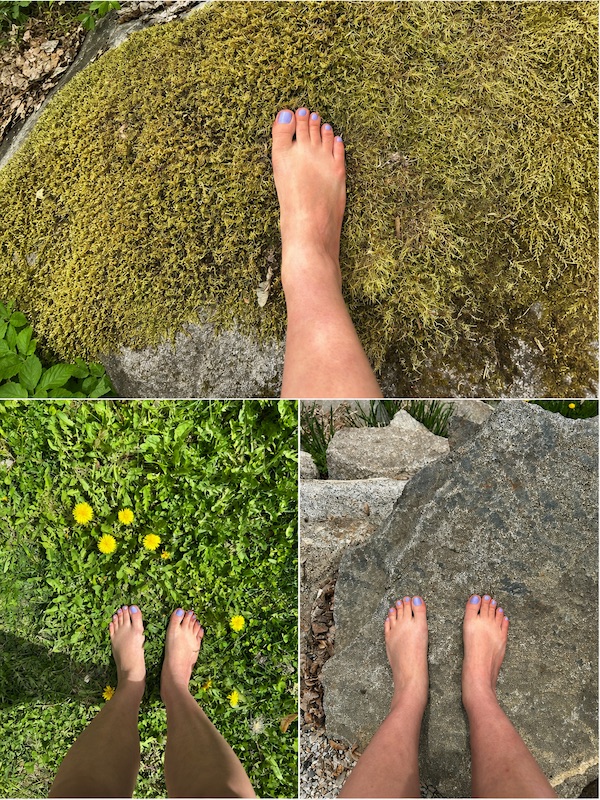
There’s a reason this practice is called grounding. Direct contact between bare feet and the earth can help regulate the nervous system and reduce stress. It also activates the senses and brings kids fully into the present moment in a way that’s hard to replicate indoors.
Take It Outside
The best part about these activities? You can start today. There’s no need to tackle the whole list. Which one calls to you? Let that activity be your starting point.
Then step outside with your students and follow their curiosity. Nature has a way of doing the rest. And once you experience what happens when kids slow down and pay attention outside, you’ll want to keep coming back.
Now get outside…
Your classroom is waiting.
Bring nature-based mindfulness into your story time too!
The Tree Spot is a children’s picture book written by our Kids Yoga Stories Community Manager, Cassandra Troughton. It’s a heartwarming tale about a little girl named Willow, who finds peace from the busy city by escaping to a hidden spot in a nearby forest. It’s here, in here tree spot, where she finds healing, connection, and community.

Inspired by Cassandra’s own experiences, The Tree Spot encourages children of all ages to fall in love with their environment, cultivate kindness, and find healing, connection, and community through their own special relationship with the natural world.
This story is a beautiful starting point for conversations about nature, gratitude, and belonging. Perfect for elementary readers!
ABOUT THE AUTHOR

Cassandra Troughton is the Community Manager at Kids Yoga Stories, a former educator, writer, and wellness advocate from Nelson, BC. With seven years in public schools—including six years supporting students with additional needs and serving as Health and Wellness Lead—she witnessed firsthand how yoga and mindfulness impact children’s lives. She now co-facilitates the School Yoga Program alongside Giselle and has authored the Gratitude Journal for Teens and children’s picture book The Tree Spot. You can find her at mindfulmisst.com.
MAY WE SUGGEST

SAVE FOR LATER