8 Top Tips for Teaching Children’s Yoga and Mindfulness Across Ages (Part One)
To read part 2 of this series, about managing behavior in mixed age groups, please head here.
One of the common questions we hear from our Kids Yoga Stories community is:
“How do I teach a children’s yoga and mindfulness class when the kids are all different ages?”
It’s a real challenge, whether you’re teaching preschoolers alongside elementary kids or trying to keep tweens engaged while younger ones are rolling around on their mats.
Lindsay, one of our Kids Yoga Monthly members, described it perfectly.
She’s used to teaching age-appropriate yoga and mindfulness classes, but she’s struggling to keep a wide age range engaged. Her homeschool group includes children from crawling babies to 14-year-olds (most are between ages 3 and 9).
Should she teach to the average age? Split the group into two classes? Or is there a way to bring everyone together in one fun, meaningful session?
The truth is that many of us find ourselves in this same situation. Maybe you’re leading:
- A homeschool co-op like Lindsay’s,
- A parks and recreation drop-in class,
- A library special event,
- A community festival,
- A children’s yoga studio class, or
- A wellness program at a community center.
No matter the setting, teaching yoga and mindfulness to a wide range of ages can feel tricky at first, but with a little creativity, it can also be one of the most rewarding ways to share these practices.
From conversations with children’s yoga educators in our Kids Yoga Stories community, along with insights from our Community Manager, Cassandra, who led a mixed-age mindfulness club, we’ve compiled these practical tips to support you!
Top Tips for Teaching Children’s Yoga and Mindfulness Across Ages
1. Yoga Helpers
Older children love responsibility. Invite them to be “yoga helpers.” They can set up mats, hand out props, or guide the younger children in yoga poses.
- For younger children (ages 3–6): They’ll look up to the helpers and copy their lead.
- For older children (ages 7–12): They gain confidence and leadership skills by modeling for the little ones.
2. Yoga Games
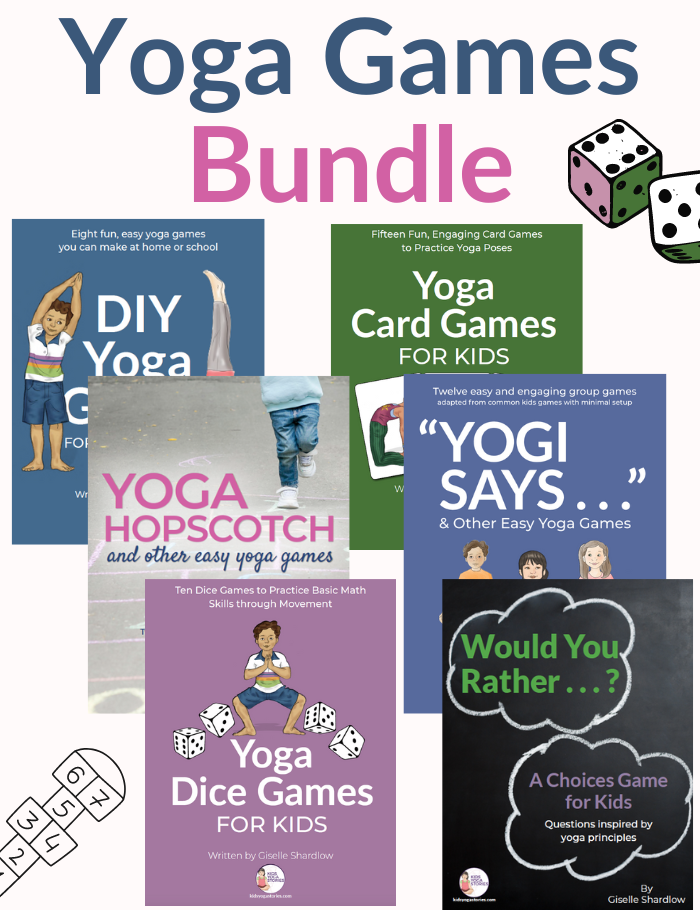
Yoga games are a fantastic way to bring everyone together. Children of all ages can play at their own level, which makes games ideal for mixed-age groups. You could try classics like yoga freeze dance, yoga memory, or yoga scavenger hunts.
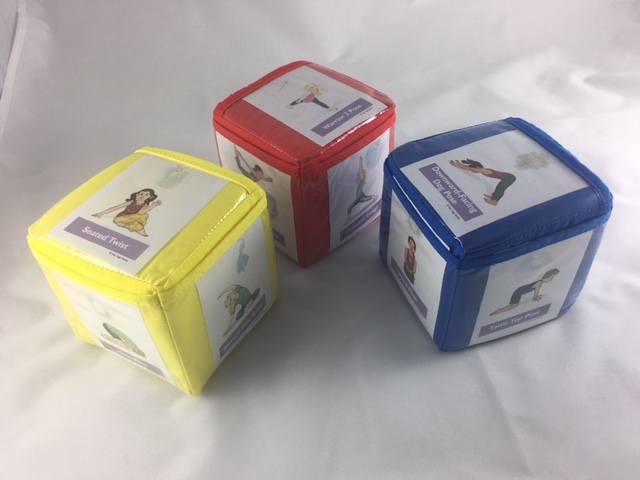
- For younger children: Focus on the fun and silliness, like pretending to be animals.
- For older children: Add challenges, like holding postures longer, remembering yoga sequences, or leading the yoga game.
Find yoga games here.
3. Mindfulness Art Projects
Art projects are perfect for mixed-age groups because kids can participate according to their own abilities. Younger children might draw pictures while older kids write words or add labels to their work. Try gratitude posters where little ones draw what they’re thankful for and older children can illustrate their gratitude with colorful drawings, block letters, or decorative writing. Or create vision boards where everyone contributes in their own unique way. Every child can express themselves in what way feels right to them.
- For younger children: They might draw or color.
- For older children: They can add writing, journaling, or labeling to deepen the reflection. Try gratitude posters, vision boards, or drawing emotions.
4. Partner Postures
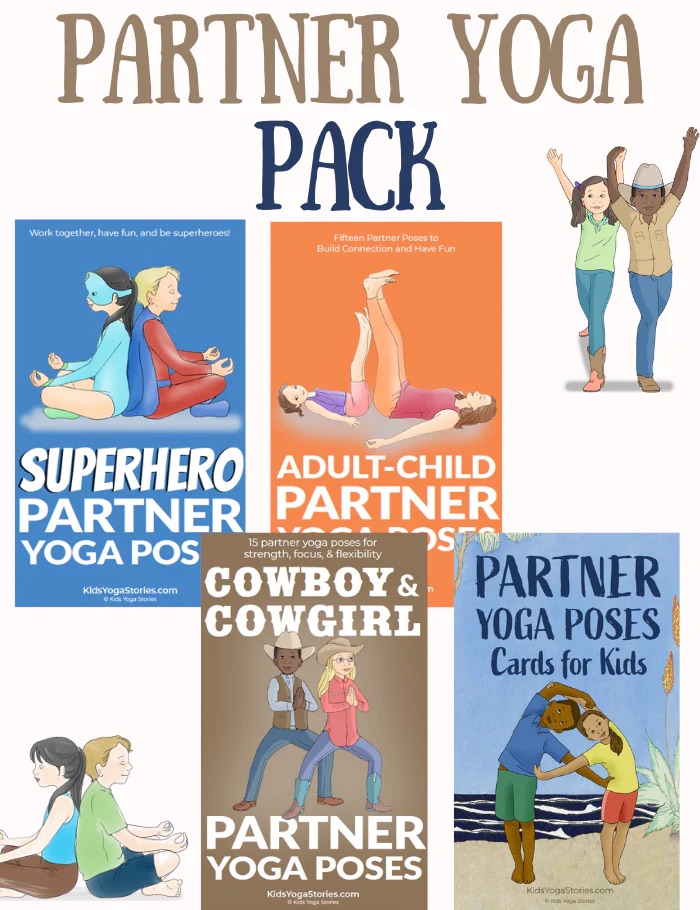
Partner yoga is always a hit. Pair similar ages together or mix older children with younger ones so they can support each other. Adults can join, too. Partner poses bring laughter, connection, and teamwork into your class.

- For younger children: They’ll enjoy the playfulness and connection.
- For older children: They’ll learn responsibility, teamwork, and empathy.
Explore partner yoga poses here.
Partner Yoga Pack in our KYS Shop.
5. Yoga Story Time
Yoga stories capture everyone’s imagination. Turn story time into an interactive activity where older children read the story aloud while younger ones copy the yoga postures. If you have a bigger group, you can split into smaller circles so that several older kids can lead their own stories at the same time. It’s a win-win that keeps everyone engaged and learning together.
- For younger children: They love hearing the story and moving like the characters.
- For older children: They practice leadership, reading, and patience as they guide their groups.
Explore our yoga stories to get started.
6. Props and Visuals
Props help bridge the gap between different ages. A Hoberman sphere, hula hoops, yoga cards, or even simple scarves can make mindfulness and movement accessible to everyone. Props give a shared focus while still allowing for creativity. Everyone loves them!
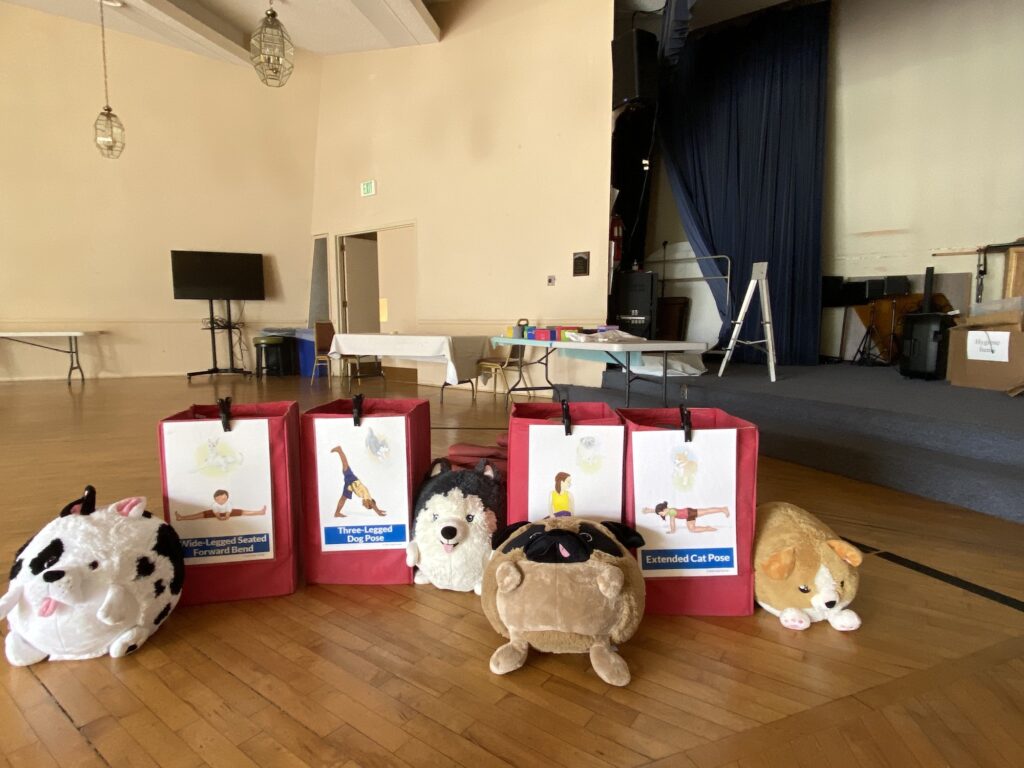
- For younger children: They’re fascinated by movement props like scarves, balls, or a Hoberman sphere.
- For older children: They enjoy using props for focus challenges, breath awareness, or even leading mini-demonstrations.
Read more about kids yoga props.
7. Yoga Themes
Themes make classes engaging and help children of all ages connect to a bigger idea—whether it’s animals, seasons, space, or emotions.
- For younger children: They can enjoy the imaginative play of pretending to be animals, weather, or characters from a story.
- For older children: They can dive deeper into the theme by discussing its meaning, journaling about how it relates to their lives, or helping lead poses within the theme.
Get inspired with these yoga themes for kids.
8. Keep It Flexible
The most important reminder: children’s yoga is about connection, not perfection.
- Some children may like to sit quietly.
- Others may tumble through yoga poses.
- Older kids might engage more deeply.
- Allow for this range. When children see that yoga welcomes them exactly as they are, they all feel included.
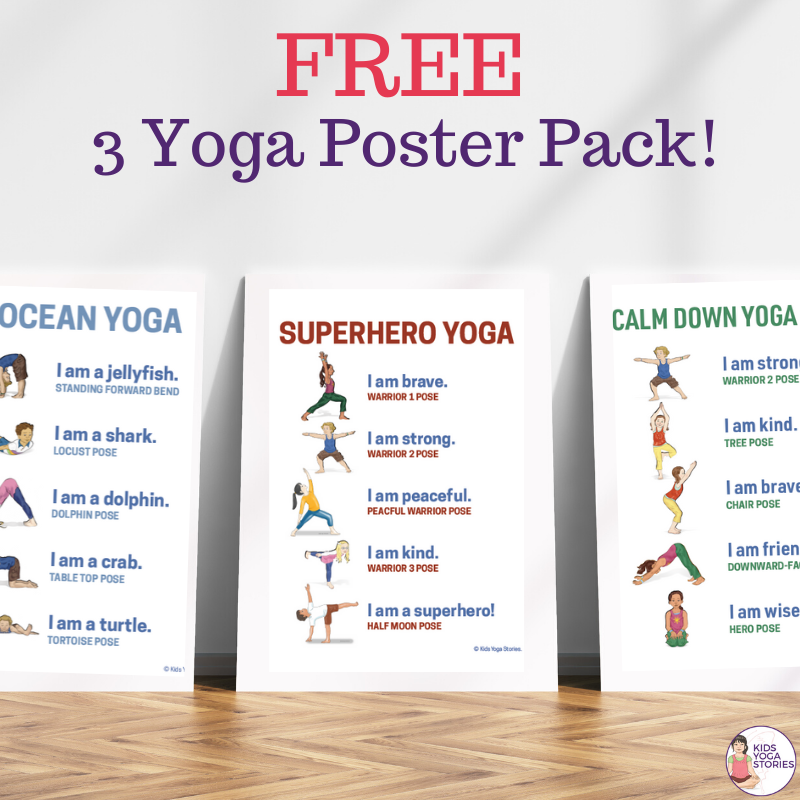
GET 3 YOGA POSTERS HERE
The Benefit of Working with Mixed-Ages in Kids Yoga
If you’ve ever found yourself wondering how to manage a class with children spanning from toddlers to tweens, you’re not alone.
Lindsay’s question reflects a challenge that many educators and yoga teachers face. Mixed-age classes can feel tricky at first, but they also offer a unique opportunity … to create a space where siblings, friends, and children of all ages can move, breathe, and learn together.
By layering activities so younger children can play and older children can lead, you create a flexible structure that meets everyone’s needs.
Remember, it doesn’t have to look “perfect.” Some children might fully engage in the yoga games, while others might quietly observe. Both are valid ways of participating.
Most importantly, mixed-age yoga and mindfulness classes build community. They remind children that we each bring something valuable to the group, no matter our age.
And for teachers, it’s a chance to see the beauty of connection unfold—older children stepping into leadership, younger ones finding role models, and everyone walking away a little calmer, stronger, and more connected.
MAY WE SUGGEST

ABOUT THE AUTHOR

Cassandra Troughton is the Community Manager at Kids Yoga Stories, a former educator, writer, and wellness advocate from Nelson, BC. With seven years in public schools—including six years supporting students with additional needs and serving as Health and Wellness Lead—she witnessed firsthand how yoga and mindfulness impact children’s lives. She now co-facilitates the School Yoga Program alongside Giselle and has authored the Gratitude Journal for Teens and children’s picture book The Tree Spot. You can find her at mindfulmisst.com.
YOU MIGHT ALSO LIKE
SAVE FOR LATER