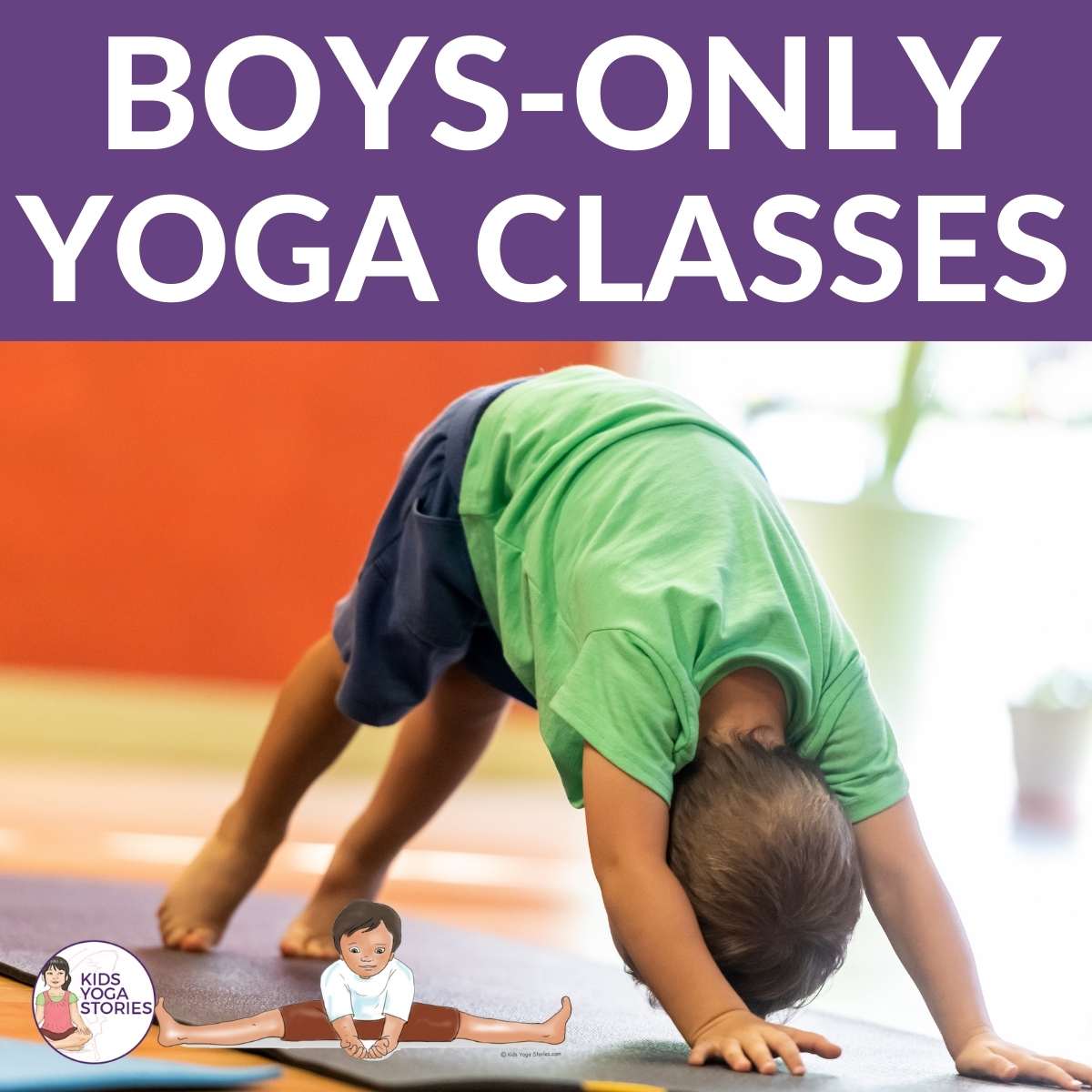
How to Teach a Boys-Only Yoga Class: Practical Tips from a Children’s Yoga Teacher
Discover how to teach a boys-only yoga class that builds confidence, focus, and emotional regulation through movement, mindfulness, and fun — with practical tips from children’s yoga teacher Liz Zocchi.
How to Teach a Boys-Only Yoga Class: Practical Tips from a Children’s Yoga Teacher
If you’ve ever wondered how to get boys excited about yoga, you’re not alone. Many teachers and therapists tell us that by the time children reach second or third grade, the boys who once eagerly joined yoga time start hanging back or declaring, “Yoga’s not for me.”
That’s exactly what inspired Liz Zocchi, a kids yoga teacher and the founder of Mindful Yoga with Liz, to create a boys-only yoga class where boys can move, breathe, and build confidence without feeling self-conscious.
Liz has spent more than a decade teaching yoga to all ages, and her approach offers a blueprint for educators who would like to help boys discover that yoga isn’t just about being flexible; it’s about feeling strong, focused, and calm.
Below are lessons drawn from Liz’s experience and from the broader Kids Yoga Stories community to help you make boys-only (or children who identify as male) yoga classes successful and meaningful.
Why Offer a Boys-Only Yoga Class
1. Emotional Regulation through Movement
Research consistently shows that boys benefit from physical outlets before verbal ones when managing emotion. Yoga for children could provide exactly that: movement that builds body awareness first and self-awareness second.
Liz describes boys who once exploded in frustration now using breathwork and grounding techniques when upset. In school settings, these same strategies support emotional regulation and reduce behavioral incidents.
One student told Liz: “I used to be so angry. Now when I get upset, whether it be with my siblings at home or something happened at school or my favorite basketball team lost, I walk away, take deep breaths, and think before I react.”
➡ Classroom Tip: Begin with high-energy movement like Animal Walks or Power Warrior Flows, then shift gradually into seated breathing or guided relaxation.
2. Building Confidence and Competence
Boys respond well to challenge and visible progress. Arm balances, plank variations, and strength-based flows tap into that motivation. When they see themselves succeed physically, they begin to buy into mindfulness as part of performance and focus.
➡ Try This: Frame yoga as “training for athletes.” Highlight professional sports teams (like the Seahawks or Lakers) that use yoga to prevent injuries and enhance focus.

3. Creating a Sense of Belonging
By late elementary school, many boys are reluctant to be the only one in class. A boys-only group removes that social barrier and allows healthy peer modeling. They learn that calm, cooperation, and care are also forms of strength.
➡ Tip for Schools: Pair your boys-only program with a mentor system. Older students or teen assistants can model leadership and normalize yoga participation for younger boys.
4. Channeling Energy, Not Containing It
After the pandemic, Liz noticed an increase in restlessness and sensory overload among students. Yoga offered a structured way to discharge that energy through predictable routines.
Start fast, finish slow: move from dynamic Sun Salutations and Warrior sequences toward deep-breathing, stretching, and mindfulness games.
➡ Incorporate: Jumping Frogs, Chair Squats, or quick Flow Circuits that keep transitions smooth while still calming the nervous system.
5. Teaching Rest and Recovery
Even the most energetic boys end class with Resting Pose (Savasana). Once they realize that rest isn’t “doing nothing,” but “recharging,” they crave it.
➡ Mindfulness Add-On: Pair Resting Pose with a short body-scan script or “Extended Exhale Breath” (inhale 4, exhale 6) to extend calm focus.

3 Top Tips for Teaching Boys-Only Yoga
1. Make It Relevant and Real
Connect yoga to what boys already value — teamwork, sports, competition, and challenge. Introduce poses as “training drills” that improve balance, coordination, and focus.
➡ Example Sequence:
- Plank Pose → Side Plank → Chair Pose → Mountain Pose
Talk about core strength and stability like athletes use for shooting, running, or skating.
Tie mindfulness to performance: “When you can slow your breath, you make better decisions on the field and off.”
2. Start with Play; End with Stillness
Boys often need to move before they can be still. Begin each session with cooperative yoga games (Yoga Freeze Dance, Balancing Tag, or Pose Challenges) and then transition into breathwork or guided imagery.
➡ Gradual Flow Idea:
Fast-paced animal walks → Partner Balance Challenges → Seated Twist → Easy Pose with breathing → Shavasana.
As Liz says: “Meet them where they are at. Don’t try to control their energy. Move with them. There’s always a reason behind the behavior. Have bags of patience. Let them lead and be the facilitator.”
3. Build Connection Before Instruction
Many boys come to class carrying the day’s stress from school. You could begin with open conversation and light sensory play such as Legos, stress balls, or tactile bins.
Once they feel grounded and seen, they’re ready to move and listen.
“They’re being talked at all day long. They just want to be heard,” says Liz.
➡ Try: A quick “Check-In Circle” — each student names one feeling using emojis or color cards before yoga begins.

A Success Story from the Boys-Only Yoga Class
One boy in Liz’s class frequently became anxious and frustrated. After learning a simple grounding technique — five things you can see, four things you can touch, three things you can hear — he began using it independently.
“I used it when I felt anxious. And it actually worked.”
That’s the moment every yoga educator hopes for: when the skill moves beyond the mat.
Practical Advice for Educators and Therapists Teaching Boys Yoga
- Start small. Pilot one short lunchtime or after-school session before expanding.
- Design for movement. Alternate between high-energy and grounding segments.
- Use props. Resistance bands, blocks, or beanbags make yoga tactile and fun.
- Invite collaboration. Let boys co-create class names or design a “power pose” sequence.
- Include rest as non-negotiable. Teach that recovery equals strength.
- Connect to SEL. Align with standards on self-awareness, self-management, and relationship skills.
- Bring in role models. Male educators, older students, or local athletes can normalize participation.
Teaching a boys-only yoga class isn’t about changing yoga but about changing the approach. When we honor boys’ need for movement, autonomy, and challenge, yoga becomes something they choose, not resist. They learn that breathing, balance, and stillness are powerful forms of strength. Liz Zocchi’s work reminds us that when we create safe, empowering spaces for boys, they rise — not by being quieter, but by discovering calm on their own terms.
For Schools and Wellness Programs
If you’re integrating yoga into PE or wellness curriculum, a boys-only yoga elective or short-term series can make a meaningful impact. Yoga helps:
- Decrease stress and impulsivity
- Improve coordination and focus
- Strengthen school community and empathy
- Reinforce resilience lessons from SEL programs
To create a customized yoga and mindfulness program that fits your school’s goals — including specialized offerings like boys-only yoga — consider joining our School Yoga Program in either our spring or fall cohort.
You’ll receive hands-on guidance, ready-to-use lesson templates, and personalized coaching to help you design a sustainable yoga and mindfulness curriculum that meets your students’ unique needs—whether you’re teaching in a classroom, gym, or counseling space.
Watch “How to Teach a Boys-Only Yoga Class” here

MAY WE SUGGEST



You Might Also Like
SAVE FOR LATER